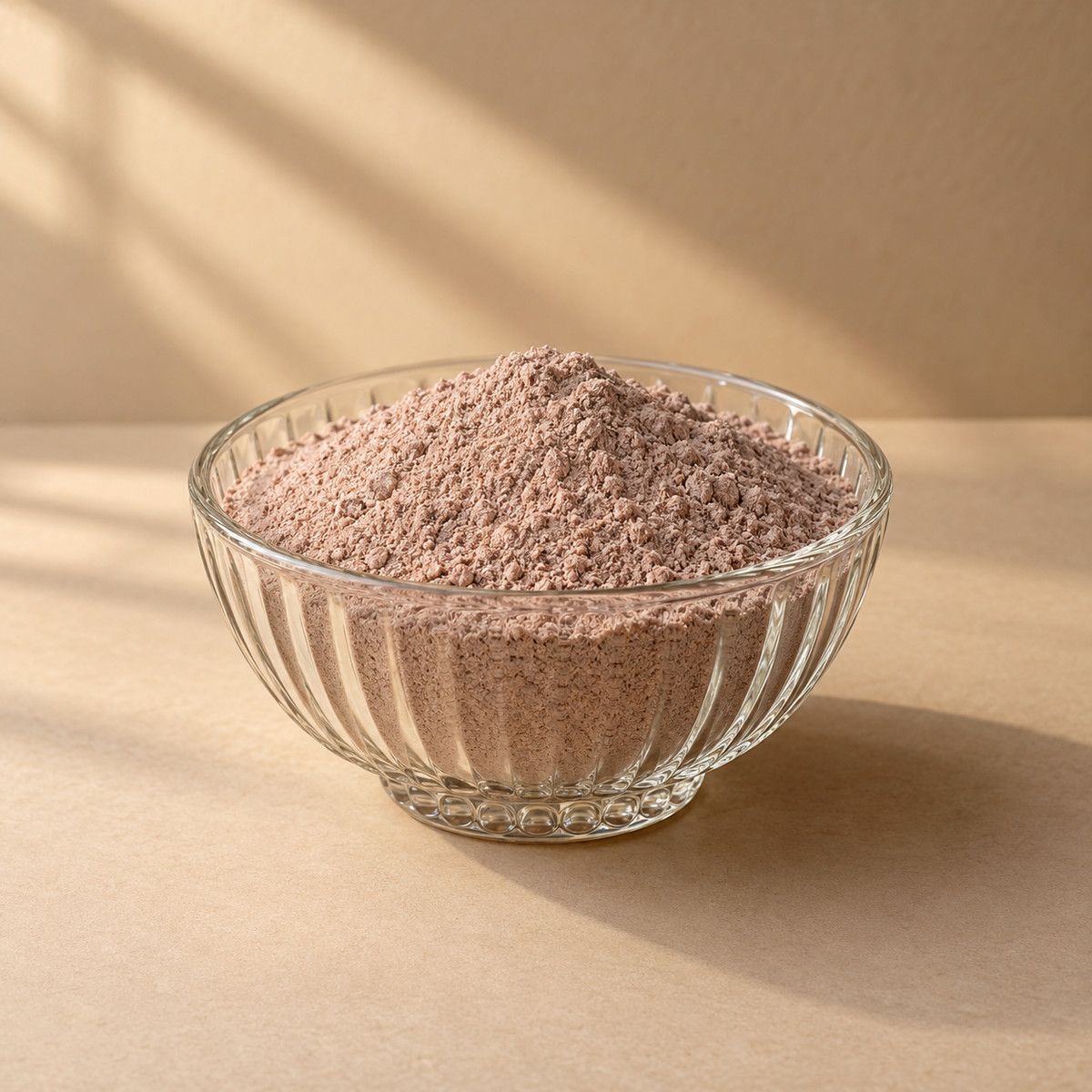
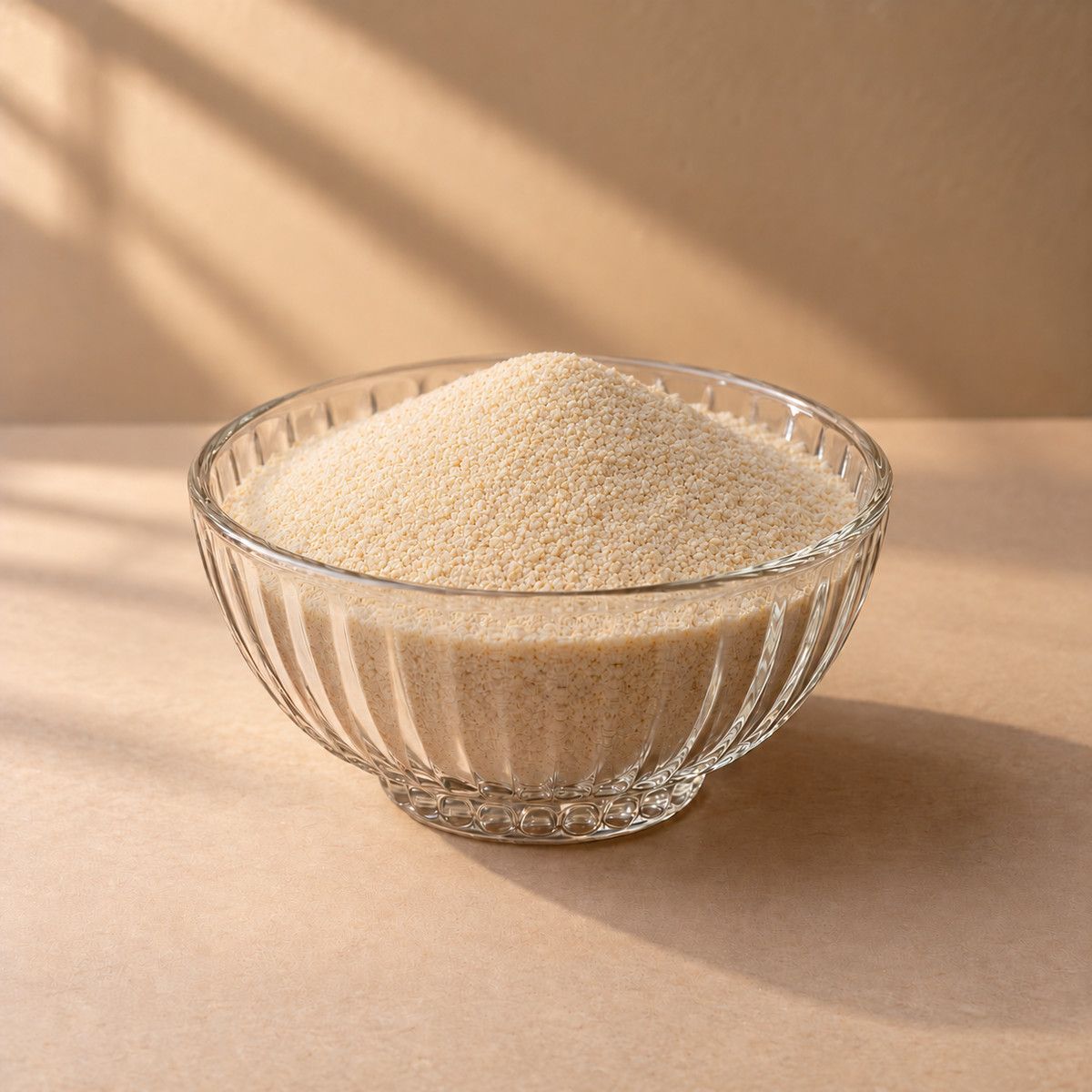
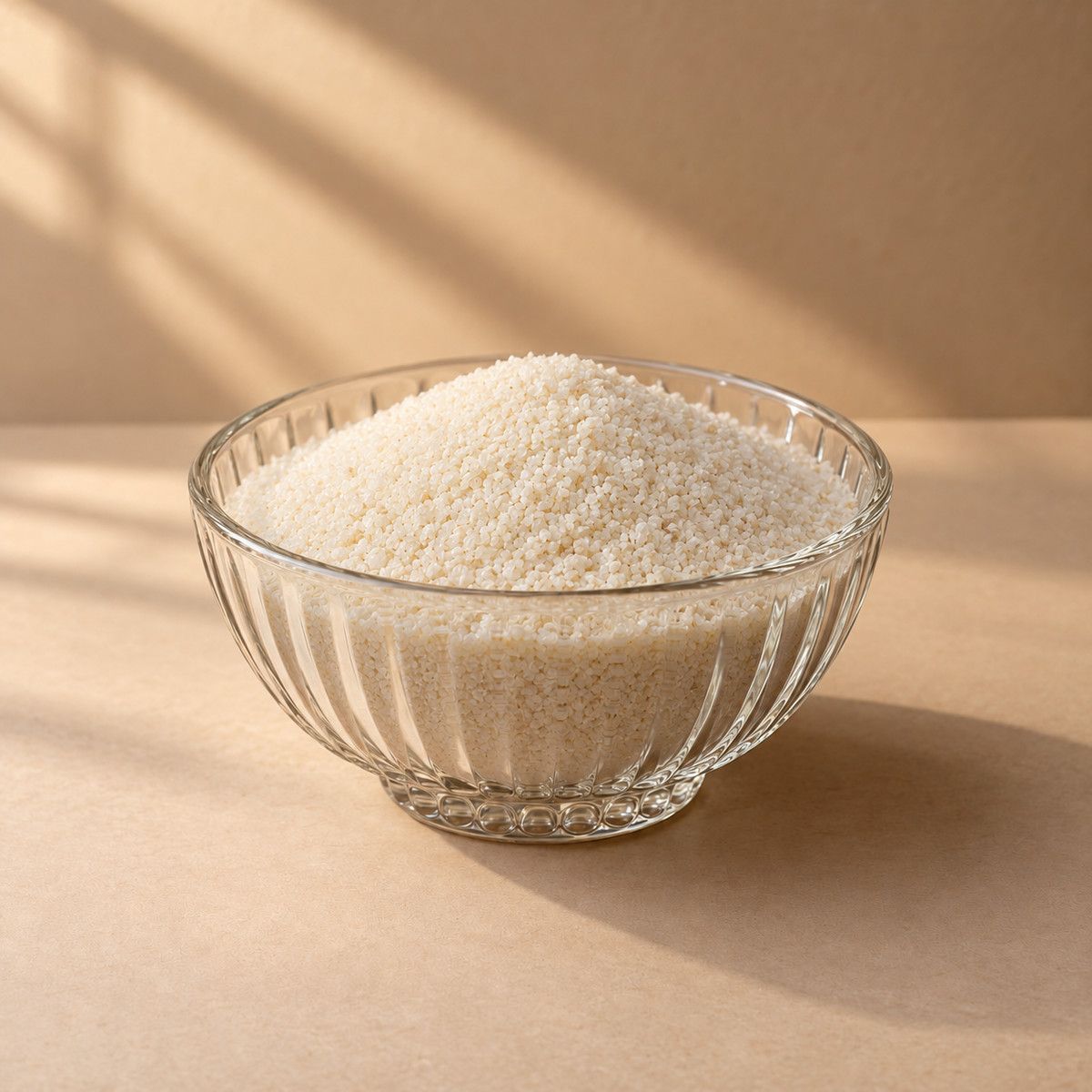
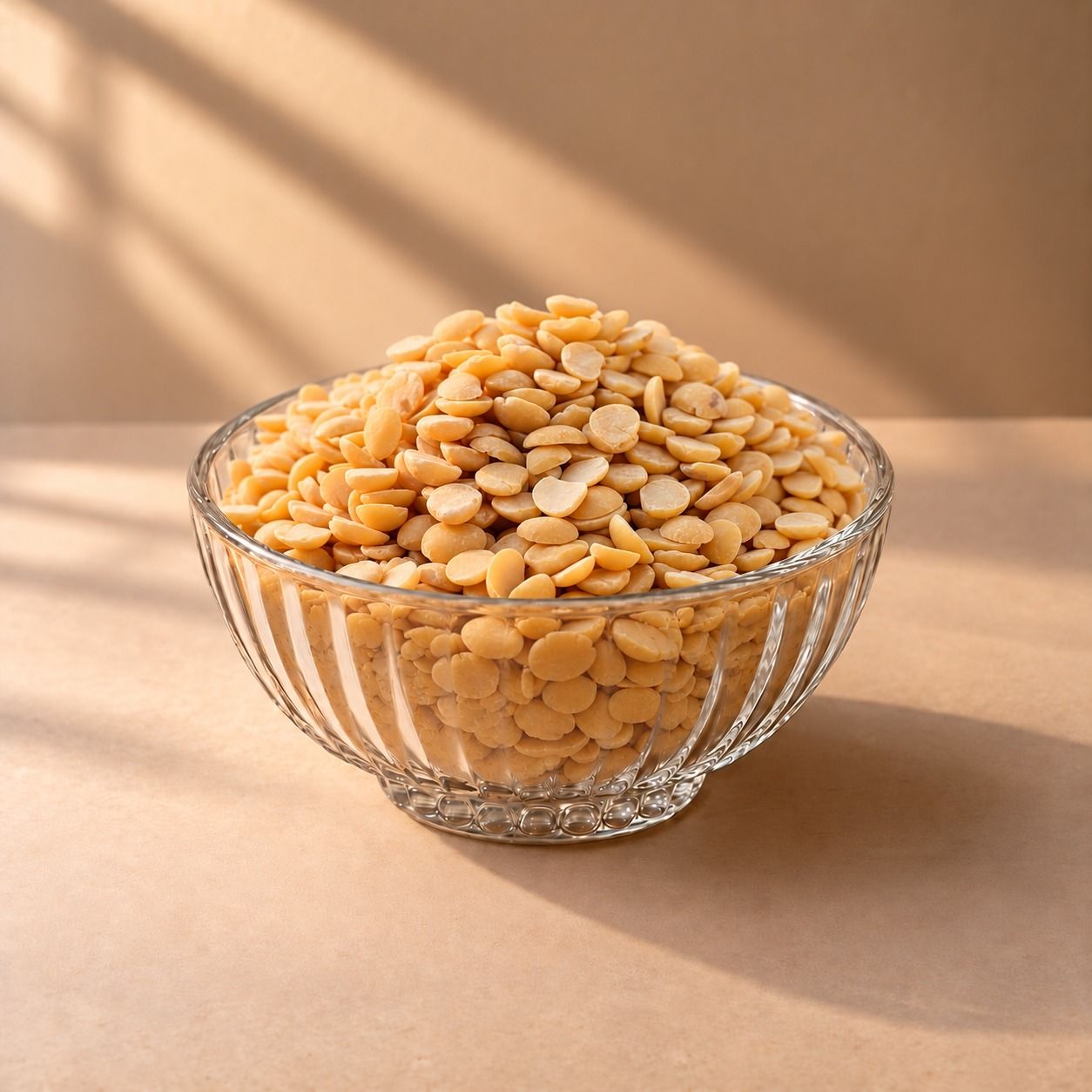
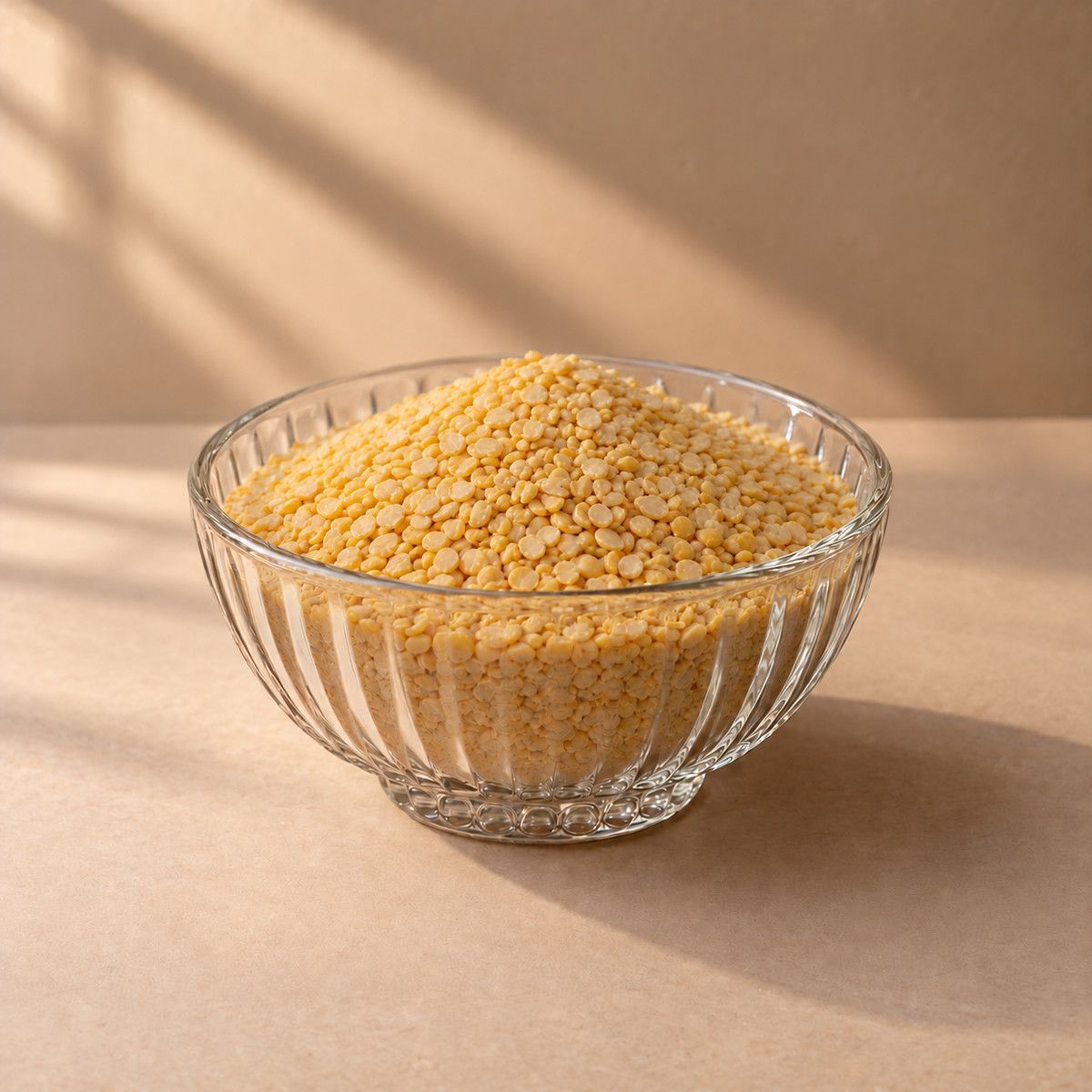
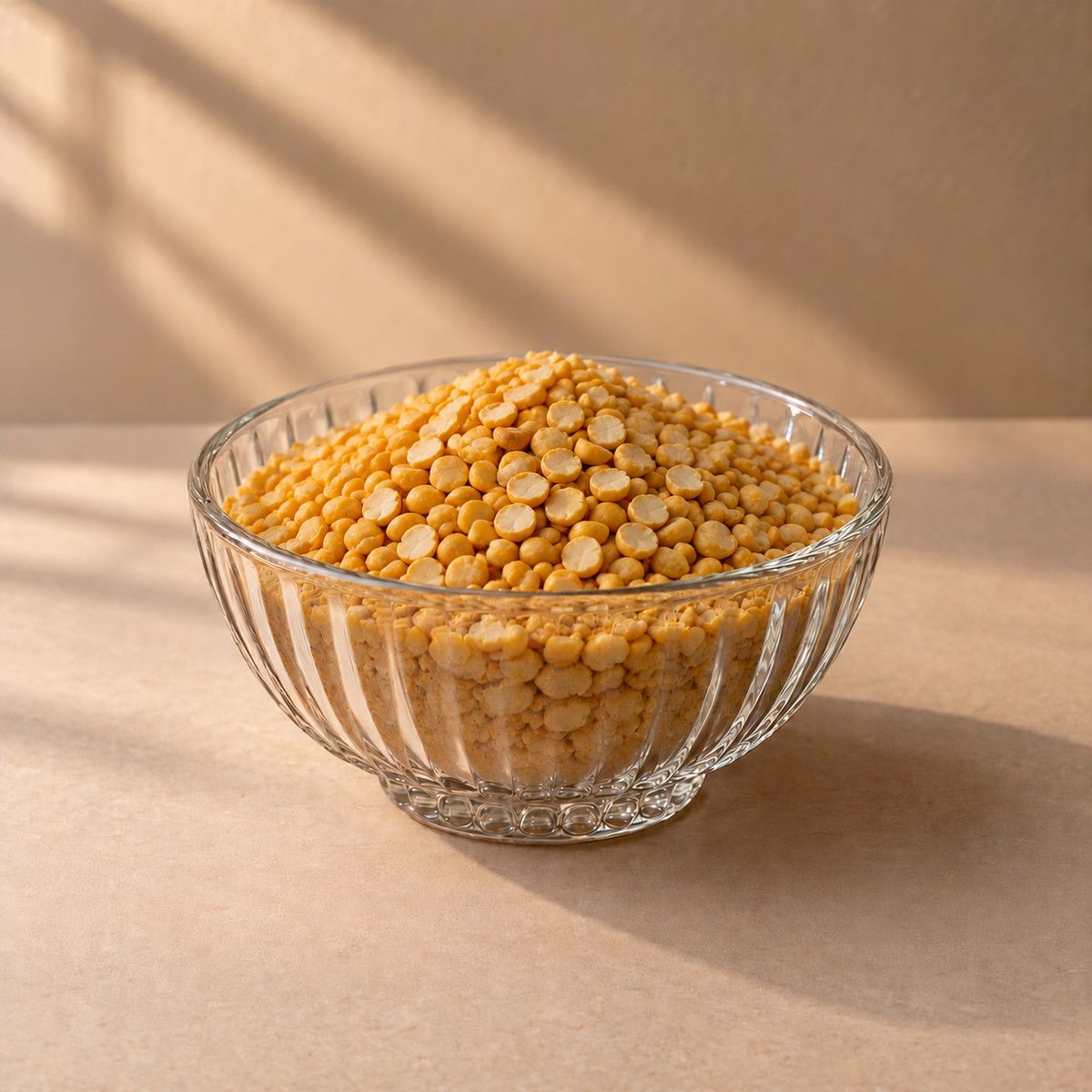
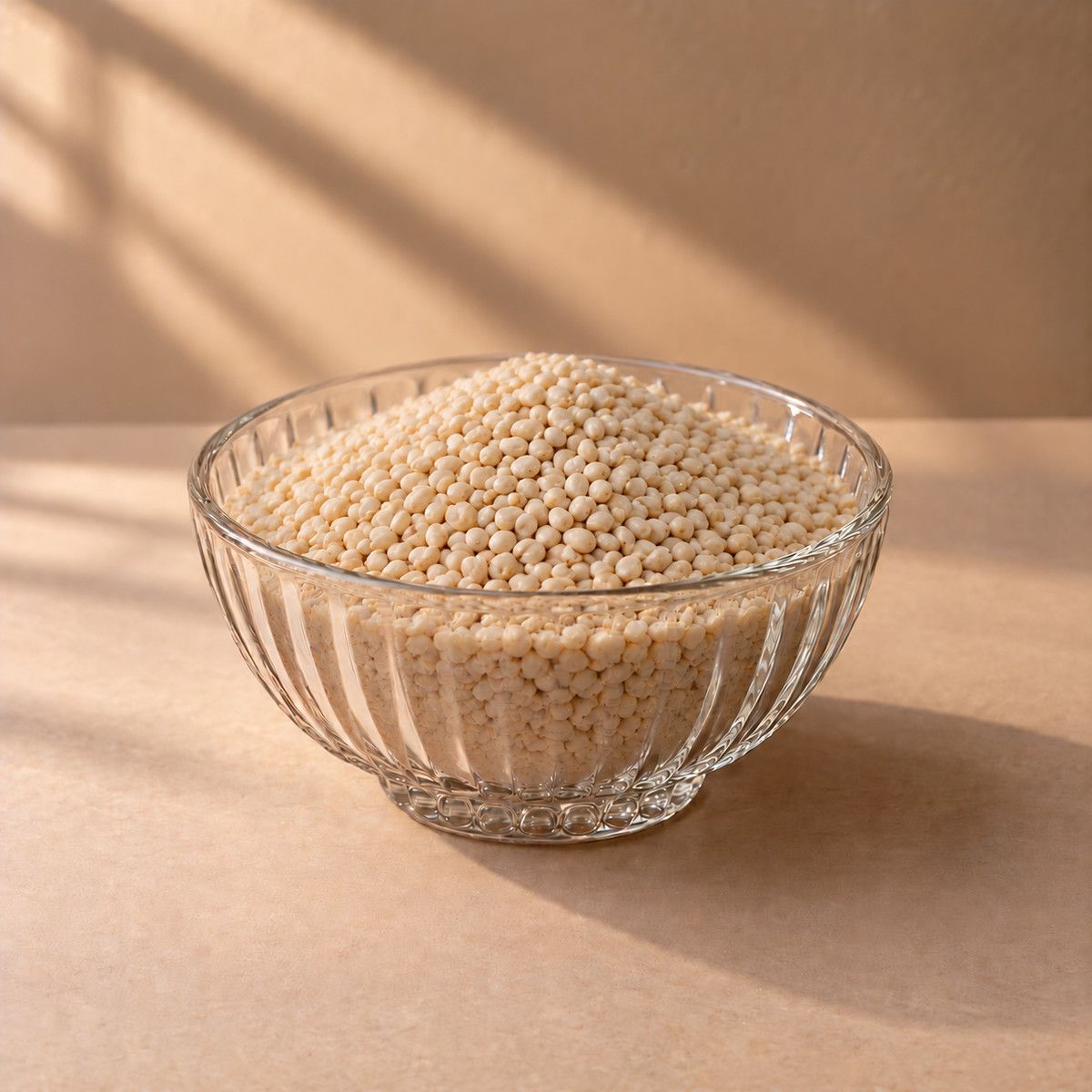
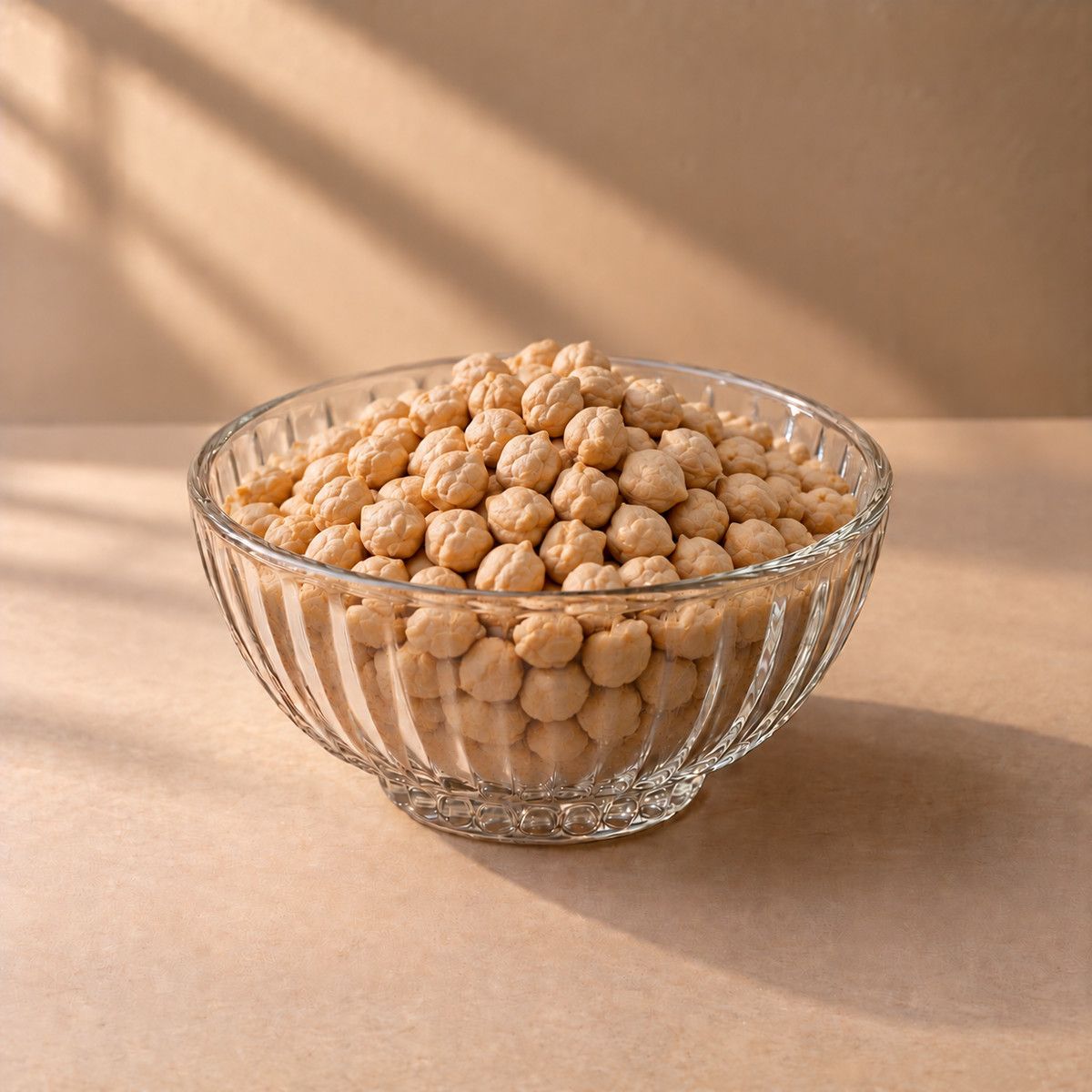
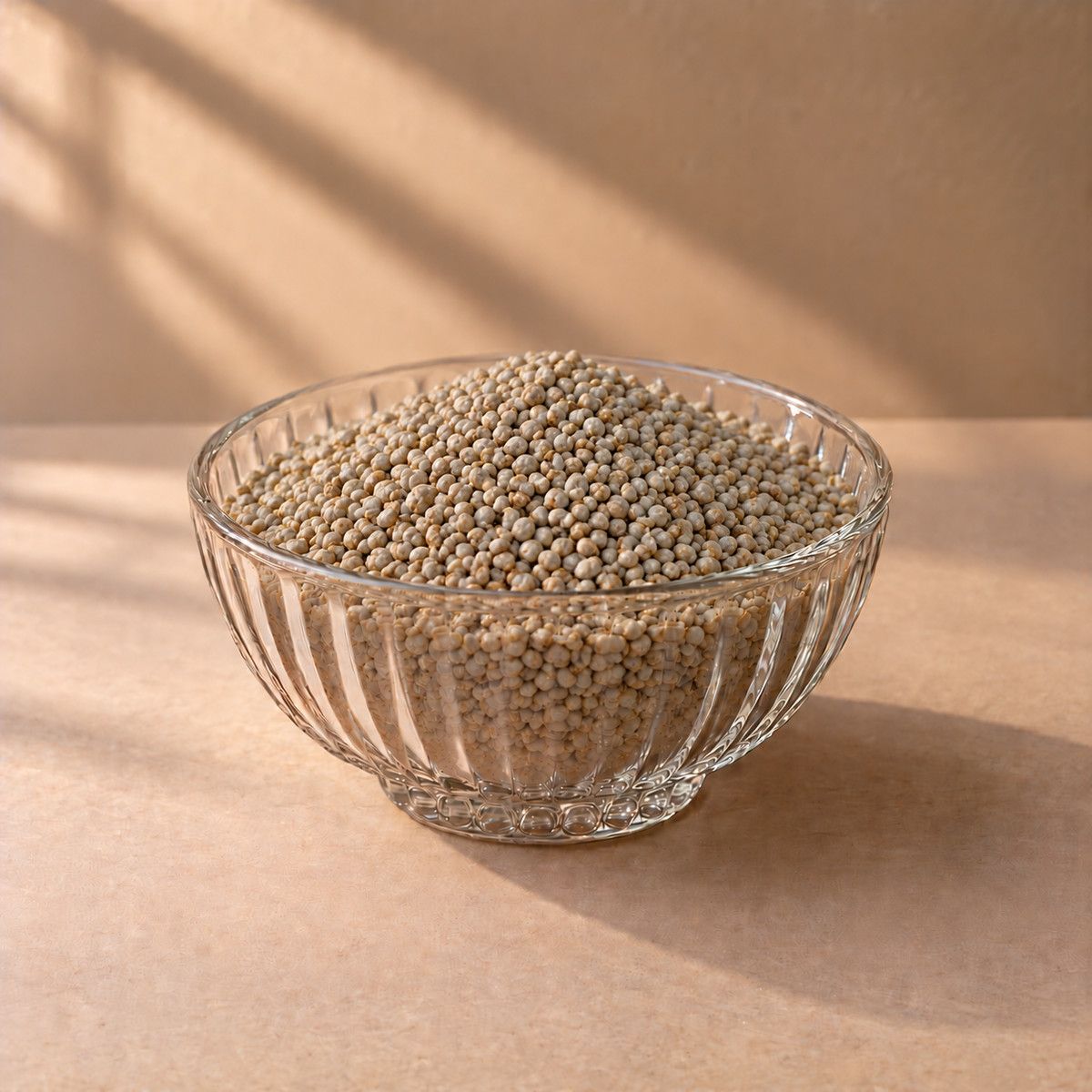
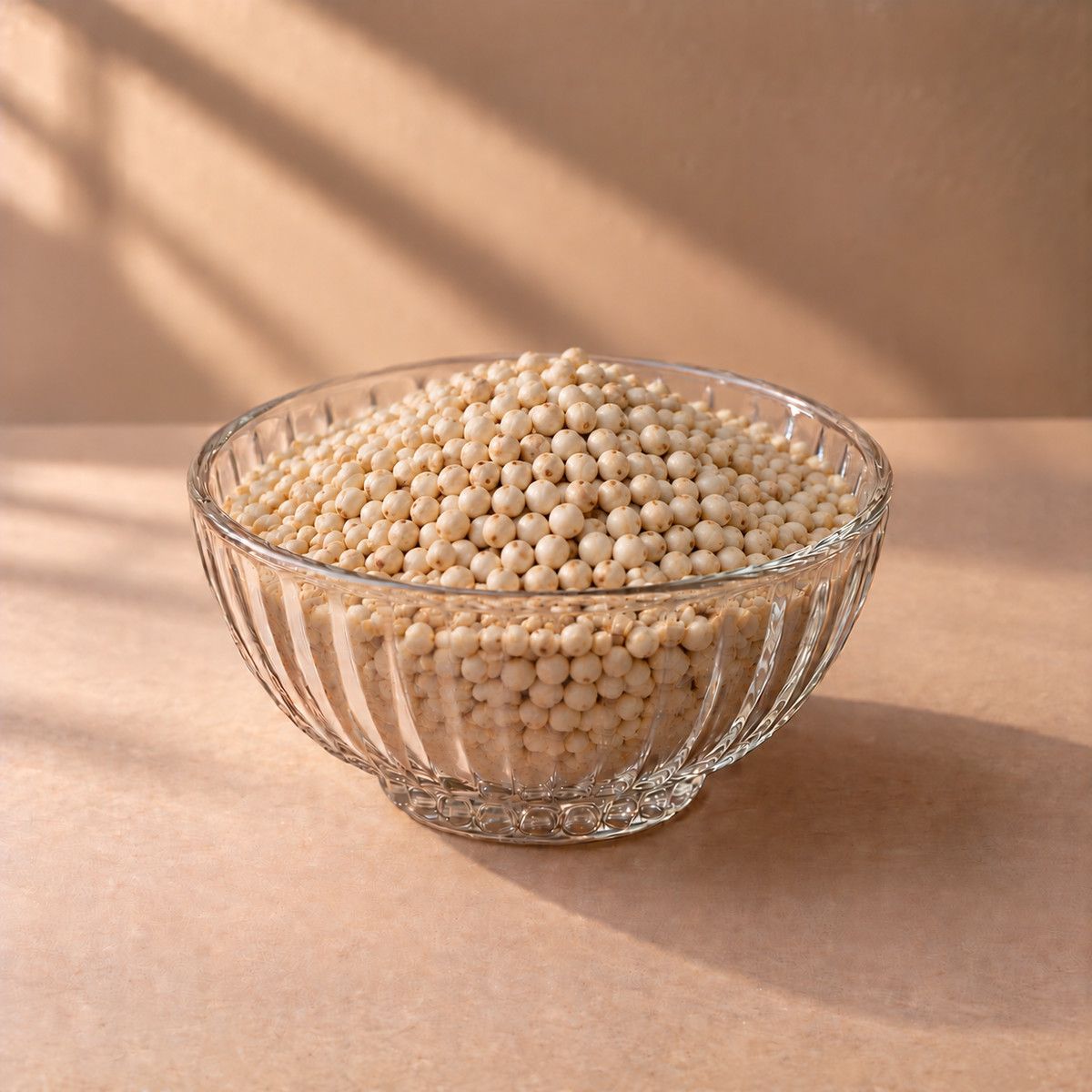
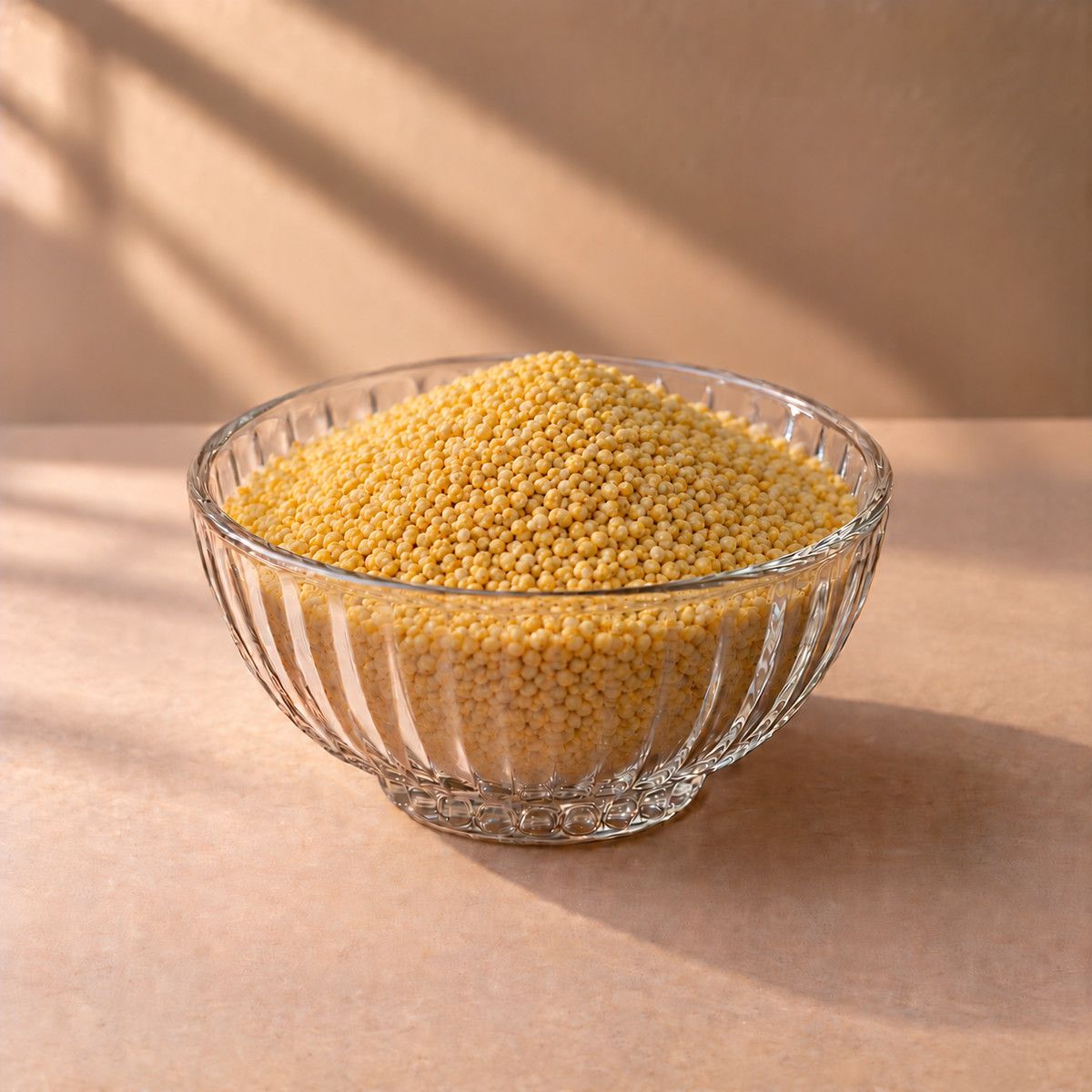
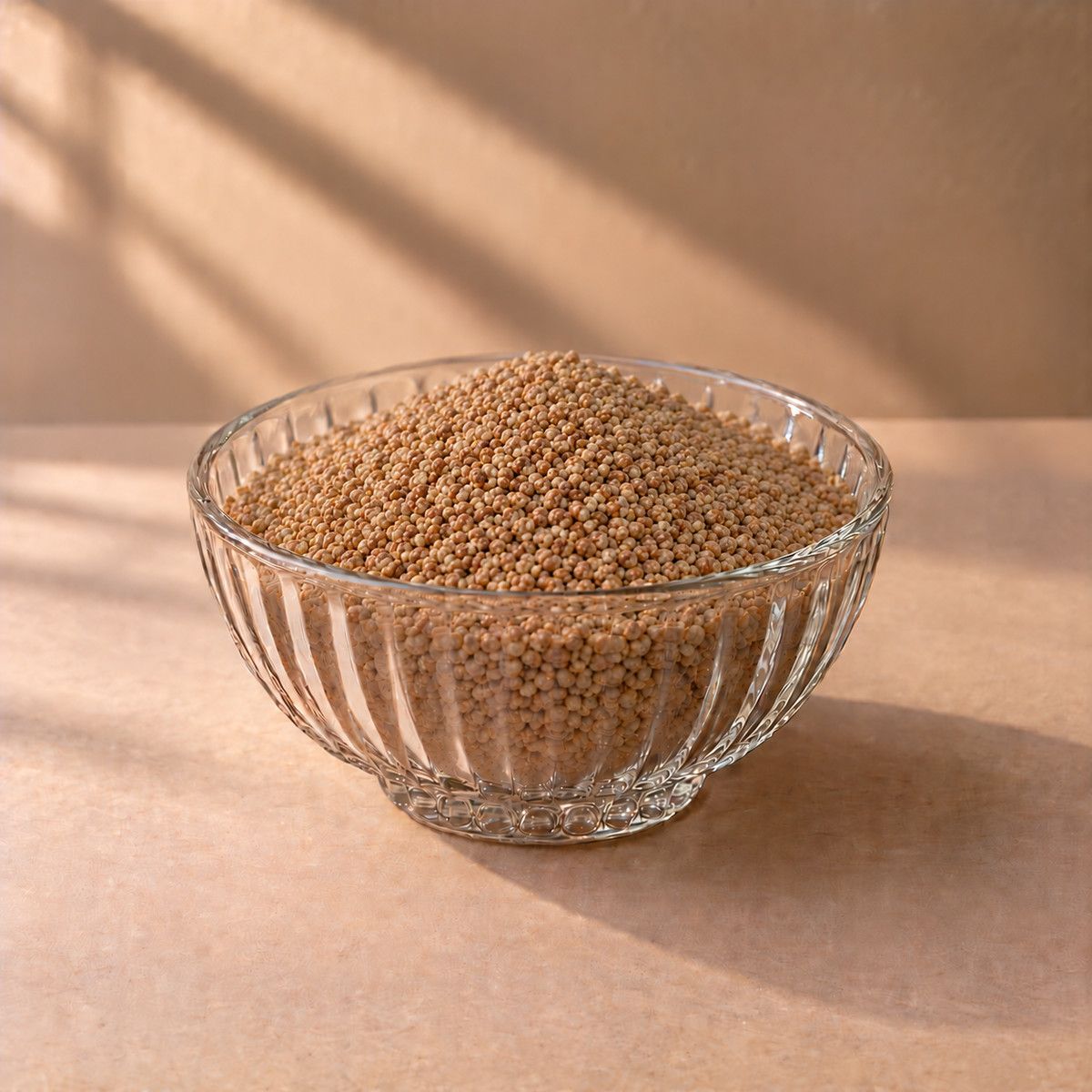
Open any kitchen cupboard in Hyderabad and you will probably find two packs that look nearly identical. One says idli rava. The other says sooji. They are both pale, both granular, and both get used for breakfast. So it is easy to pick up the wrong one and then wonder why the idlis came out like stones.
Idli rava and sooji are not the same
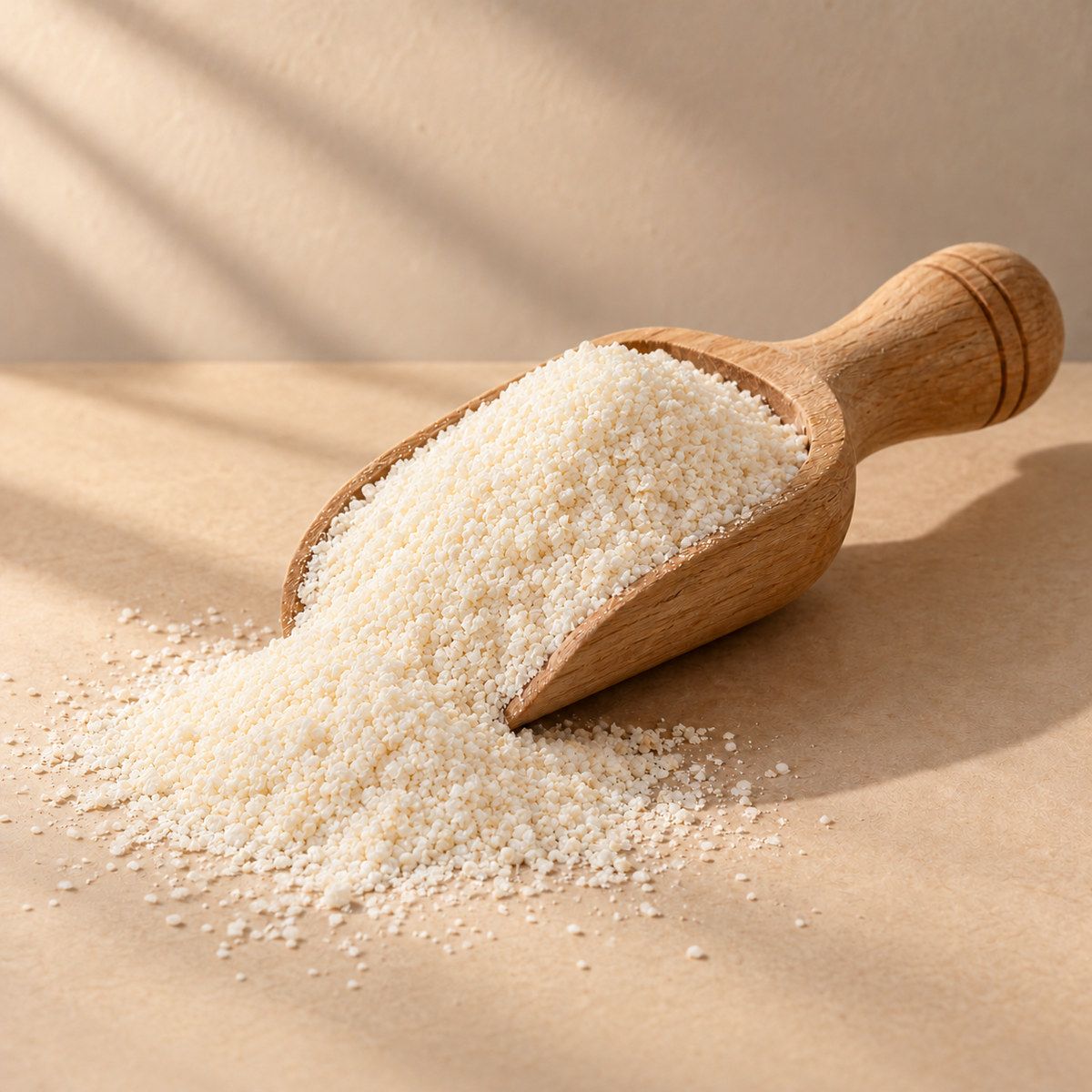
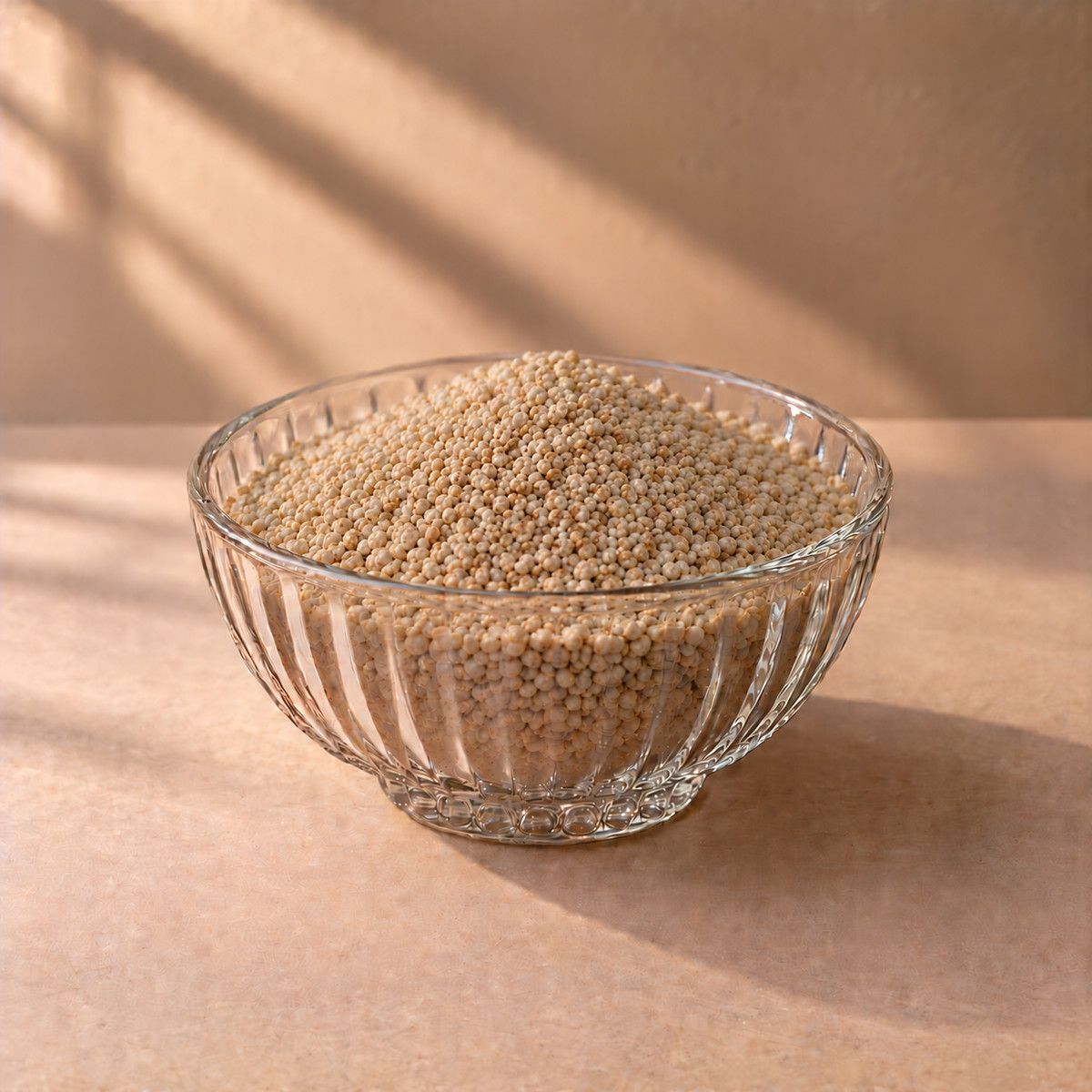
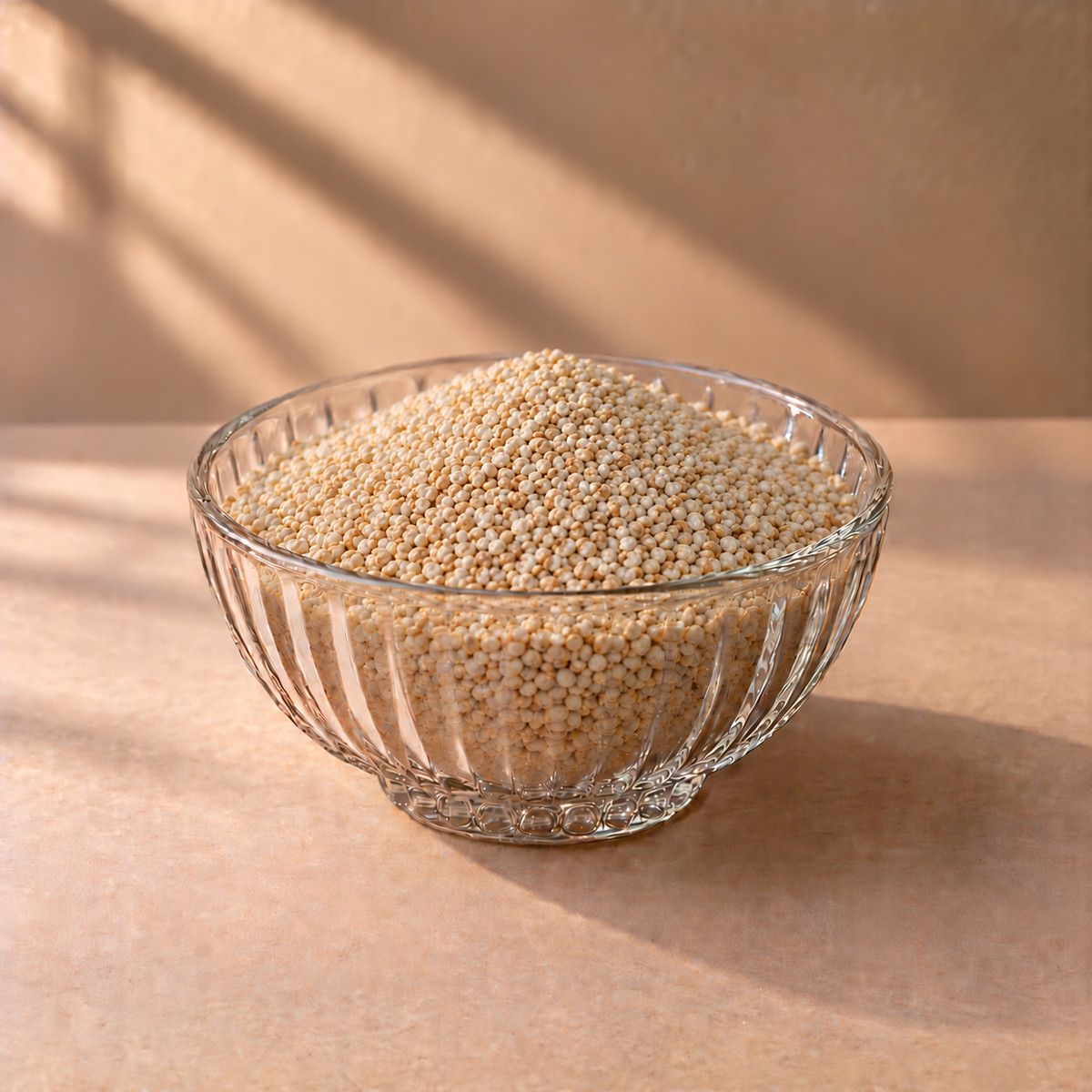
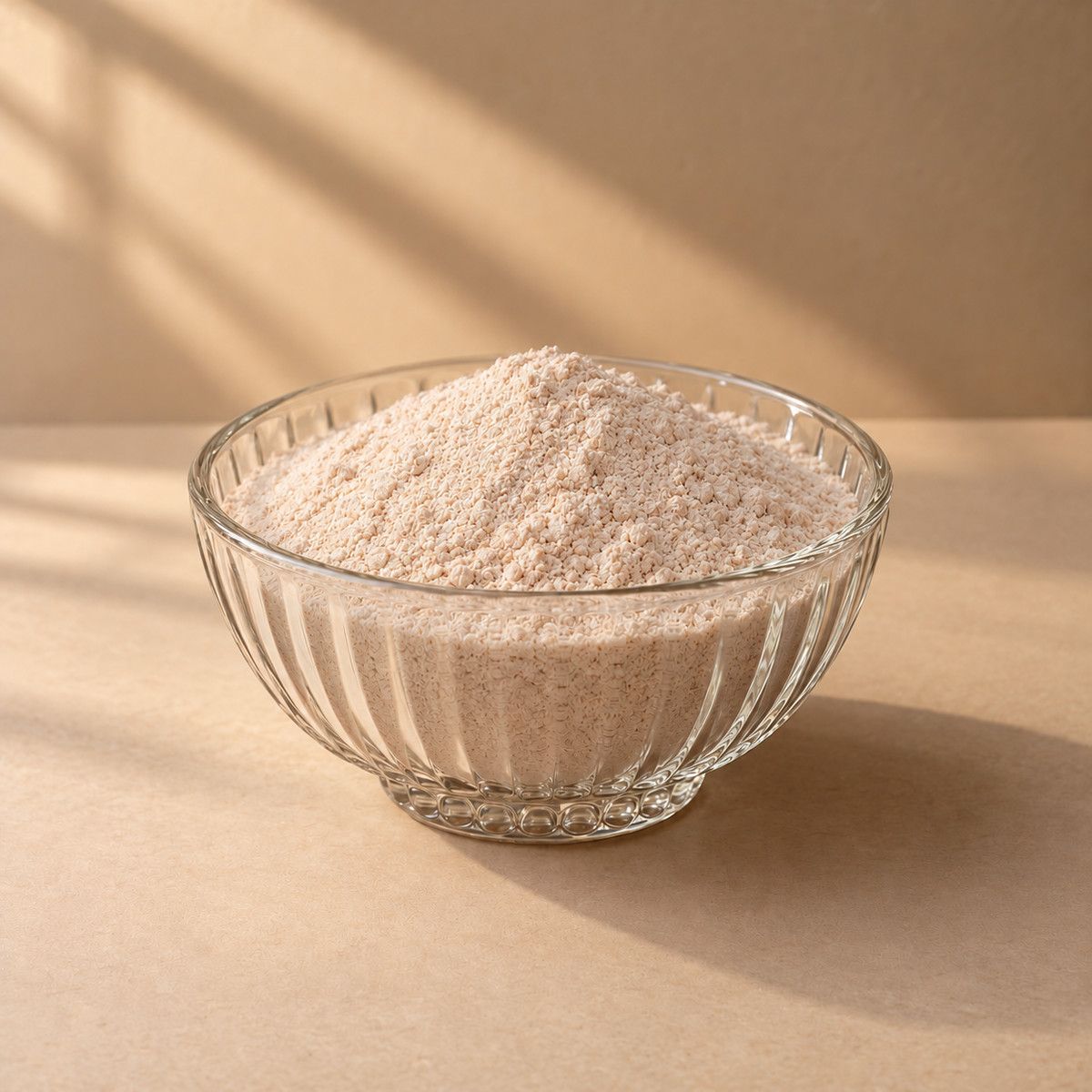
Idli rava is coarsely ground rice. It is usually made from parboiled rice, which is rice that has been partly cooked in the husk before milling. That is what gives it the grain that holds up in a fermented batter.
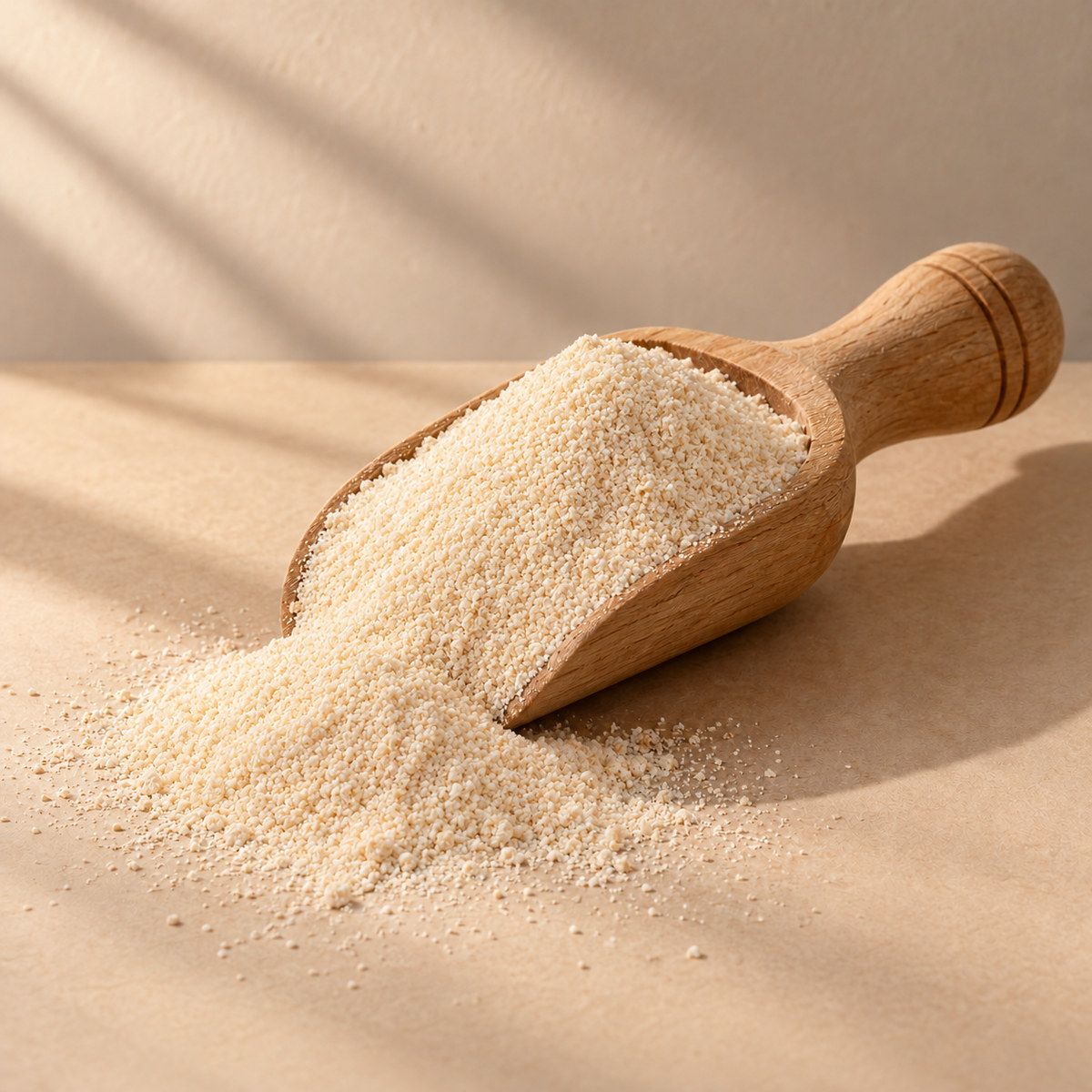
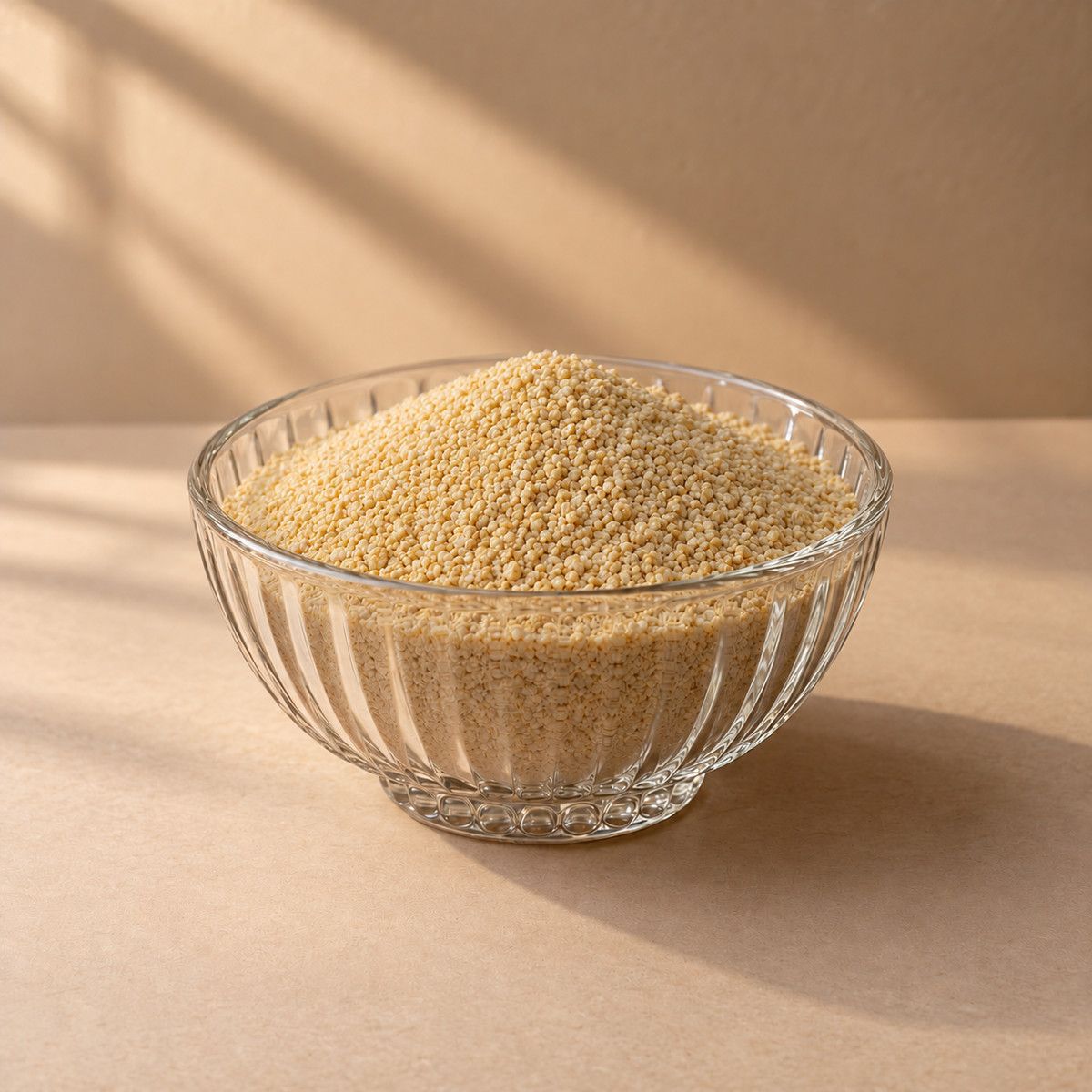
Sooji, also called upma rava or Bombay rava, is made from wheat. It is meant for upma, sheera and rava dishes. You can make an instant “rava idli” with it, using curd and a pinch of fruit salt, but that is a different idli from the soft, slightly sour one made from fermented batter.
So if you want the idli most people mean, check the pack for rice. Ours says 100% rice rava (idli rava). The wheat one, sold as Upma Rava / Sooji, is the one for upma.
What you need
- Idli rava, 2 parts
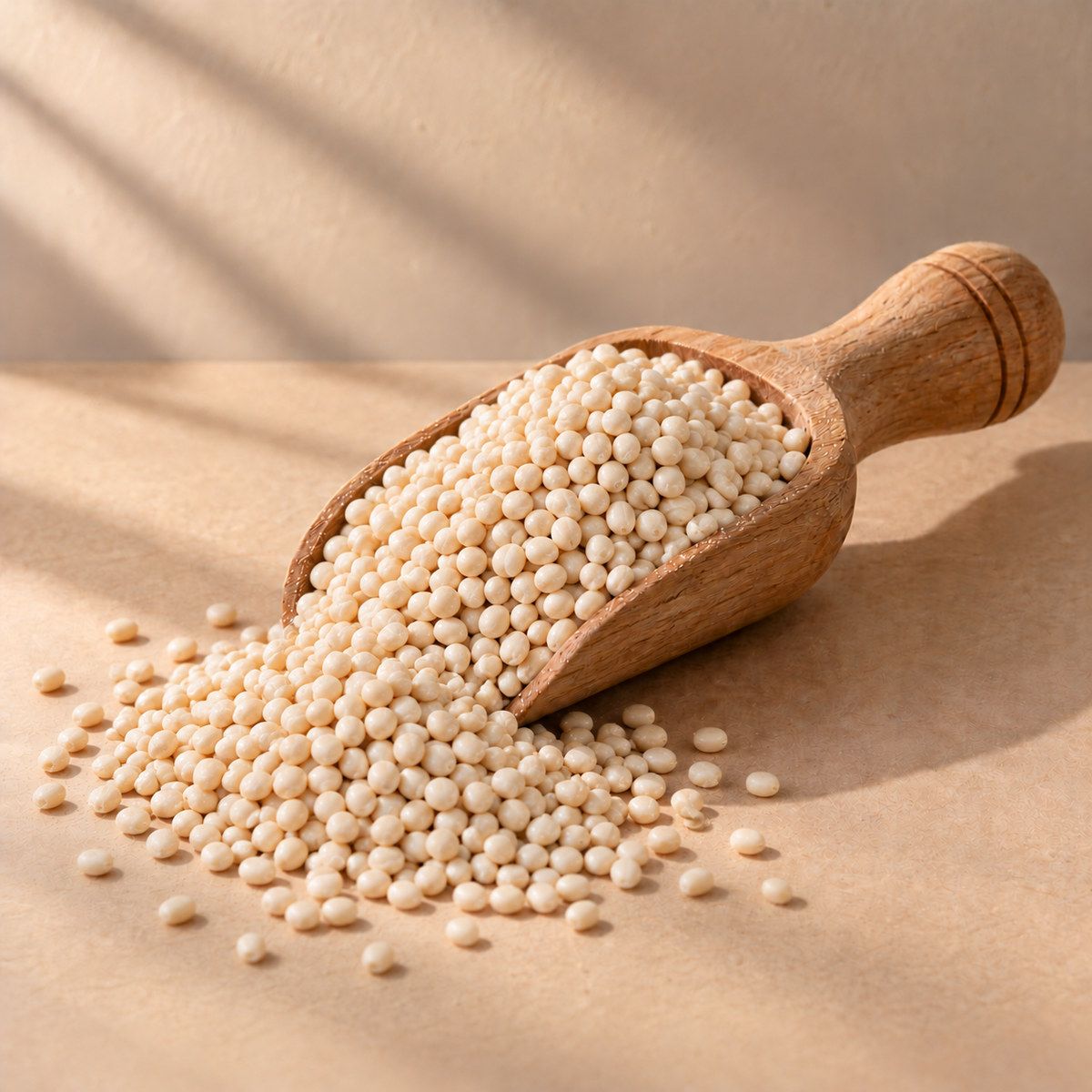
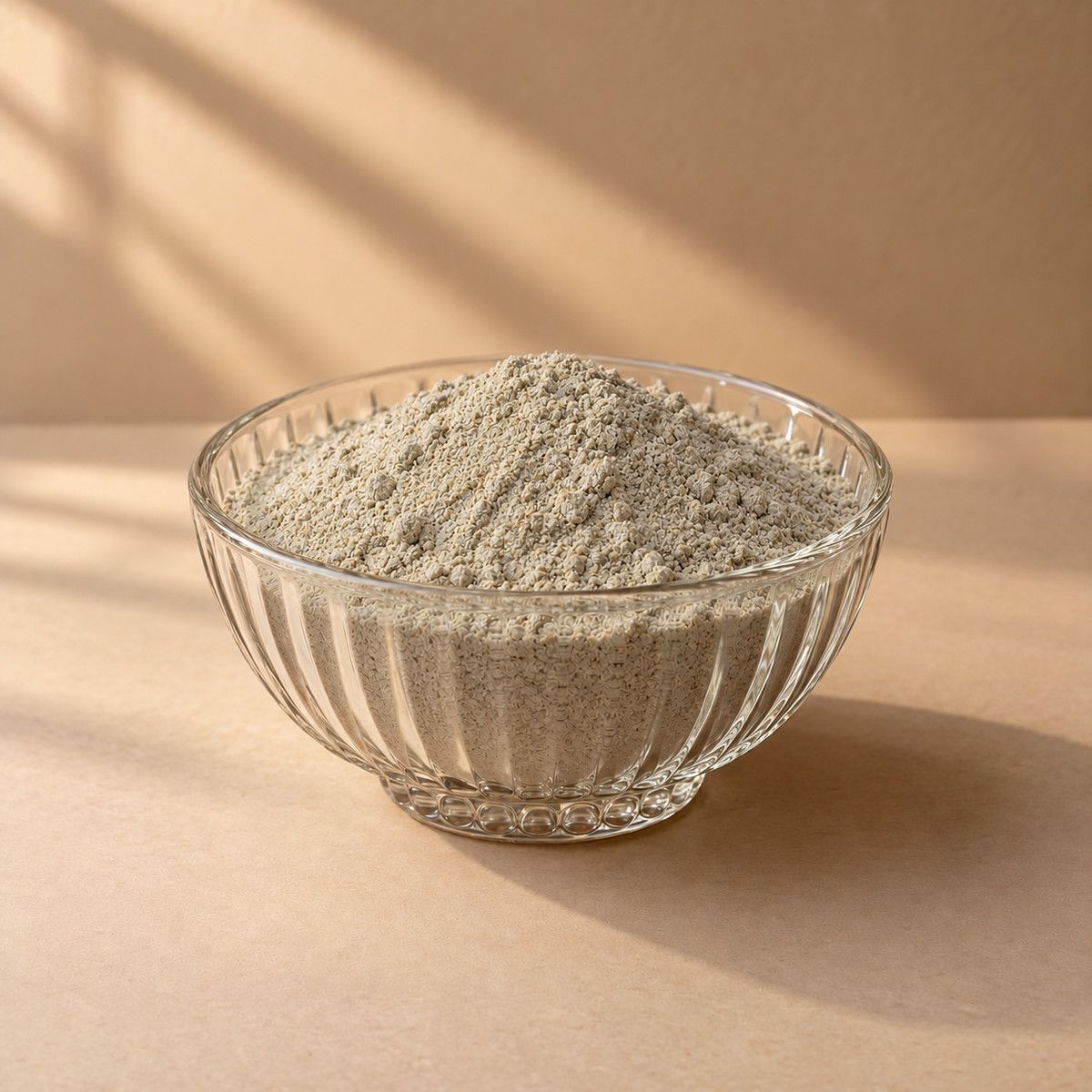
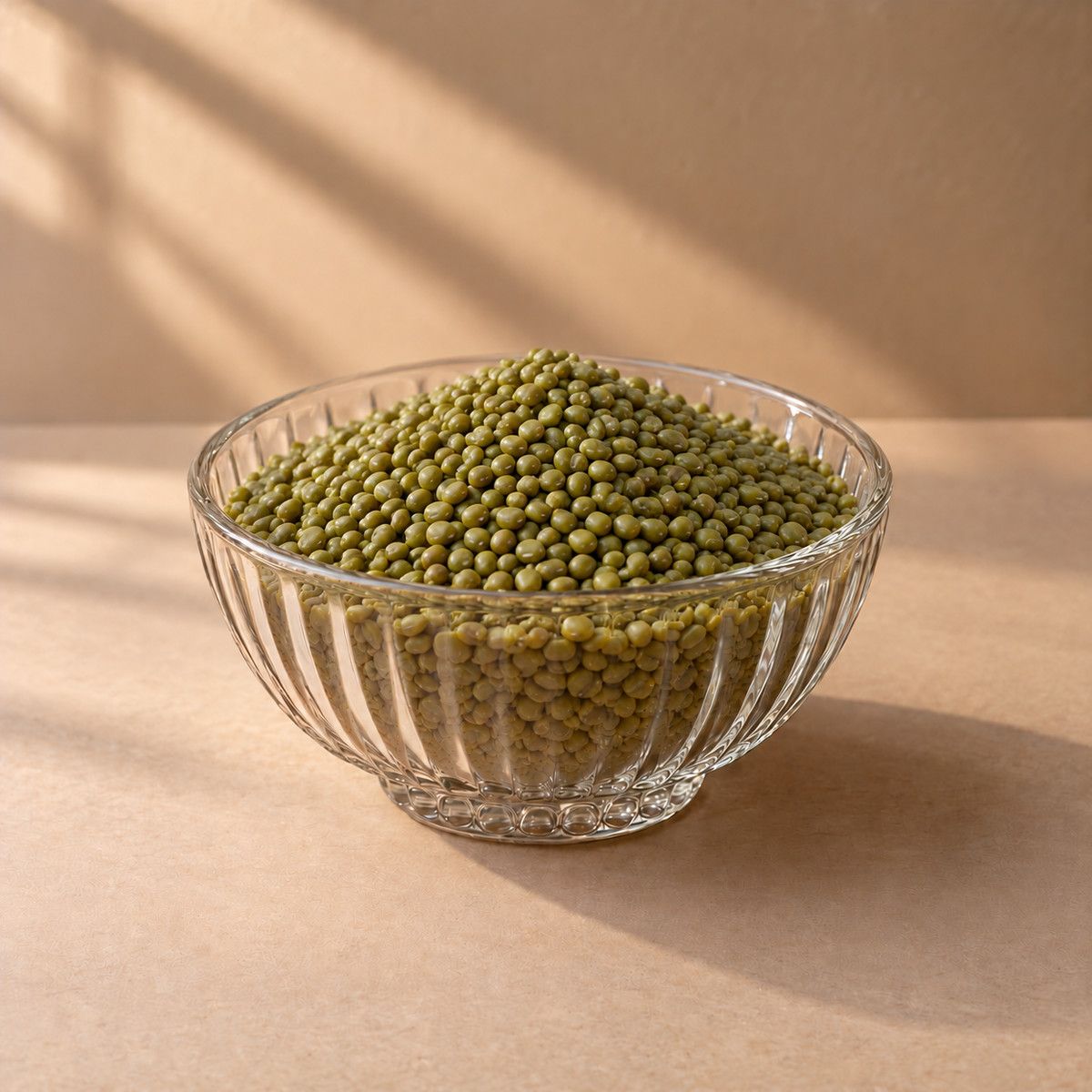
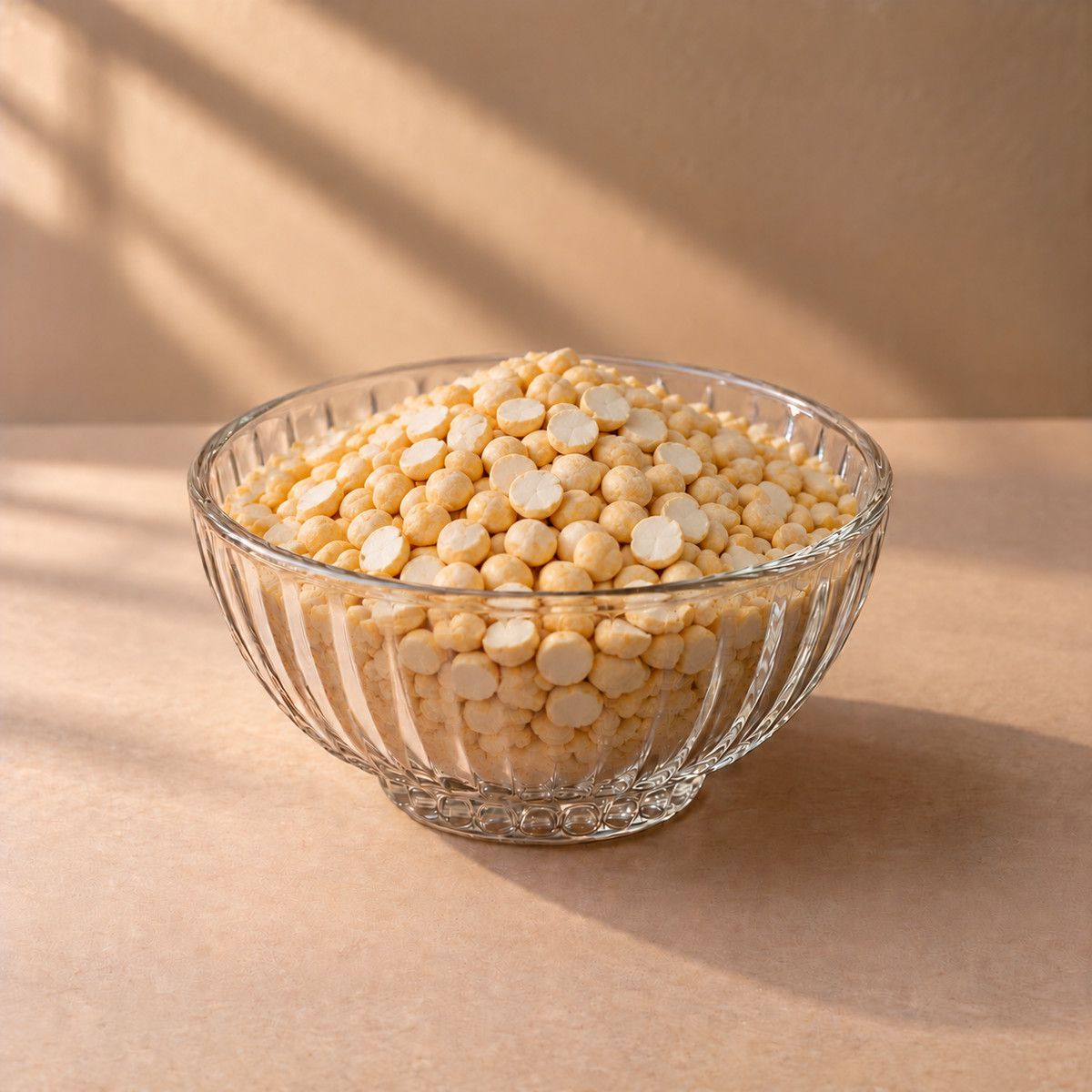
- Whole urad dal, 1 part
- Salt
- A pinch of fenugreek (methi) seeds, optional
- Water, and a little oil for the moulds
Measure by volume with the same cup for both. A common starting point is 2 cups rava to 1 cup urad dal.
A note on the urad. Husked urad, the cream coloured kind, gives the whitest idlis. Urad with the black skin still on works too, but the idlis come out a little darker and earthier, and it is worth soaking it a little longer.
How to make it, step by step
1. Soak the rava. Rinse it two or three times until the water runs clearer, then soak it in enough water to cover it for two to three hours.
2. Soak the urad dal. Wash it, add the methi seeds if you are using them, and soak for four to six hours. Whole urad can go the full six.
3. Grind the urad. Drain it and grind with cold water, a splash at a time. You want a smooth, fluffy batter that looks lighter than when you started. Add water slowly. It is easy to add too much and hard to take it back.
4. Squeeze the rava. Drain it and press out the water with your hands. It should feel damp, not wet.
5. Mix. Add the rava and salt to the urad batter and mix with your hand for a minute. A warm hand helps the fermentation get going. The batter should fall from a spoon in a thick ribbon.
6. Ferment. Cover loosely and keep it somewhere warm and still. It is ready when it has roughly doubled and smells mildly sour.
7. Steam. Do not stir hard. Fold gently, grease the moulds, fill them about three quarters, and steam on medium-high for 10 to 12 minutes. Let them rest for two or three minutes before you take them out, or they stick.
How long to ferment in Hyderabad
Fermentation depends on the room, not the clock.
- Summer and the warm months: often 6 to 8 hours. Check earlier than you think you need to, because batter can turn sour fast.
- Winter nights: can take 10 to 14 hours. Keep the bowl in a warm spot, such as an oven with only the light on, or near the stove after you have cooked.
- Monsoon: somewhere in between, but a humid kitchen can make batter sourer sooner.
The signs that matter are a batter that has risen to about twice its size and a faint, pleasant sourness. If it has not risen, it needs more time. If it has collapsed and smells sharp, it has gone too far, and the idlis will be sour and flat.
Why idlis go wrong
| What you see | Most likely reason |
|---|---|
| Hard, dense idlis | Too much rava, batter too thick, or not fermented enough |
| Flat idlis | Batter did not rise, or the urad was not ground enough |
| Sour idlis | Fermented too long, often in a warm kitchen |
| Gritty texture | Rava was not soaked or squeezed properly |
| Idlis stick to the mould | Moulds not greased, or taken out without resting |
| Pale and gummy | Too much water added while grinding |
Almost every problem starts with the batter, not the steaming. If your batter rose well and the consistency was right, the idlis will usually be fine.
Storing the rava
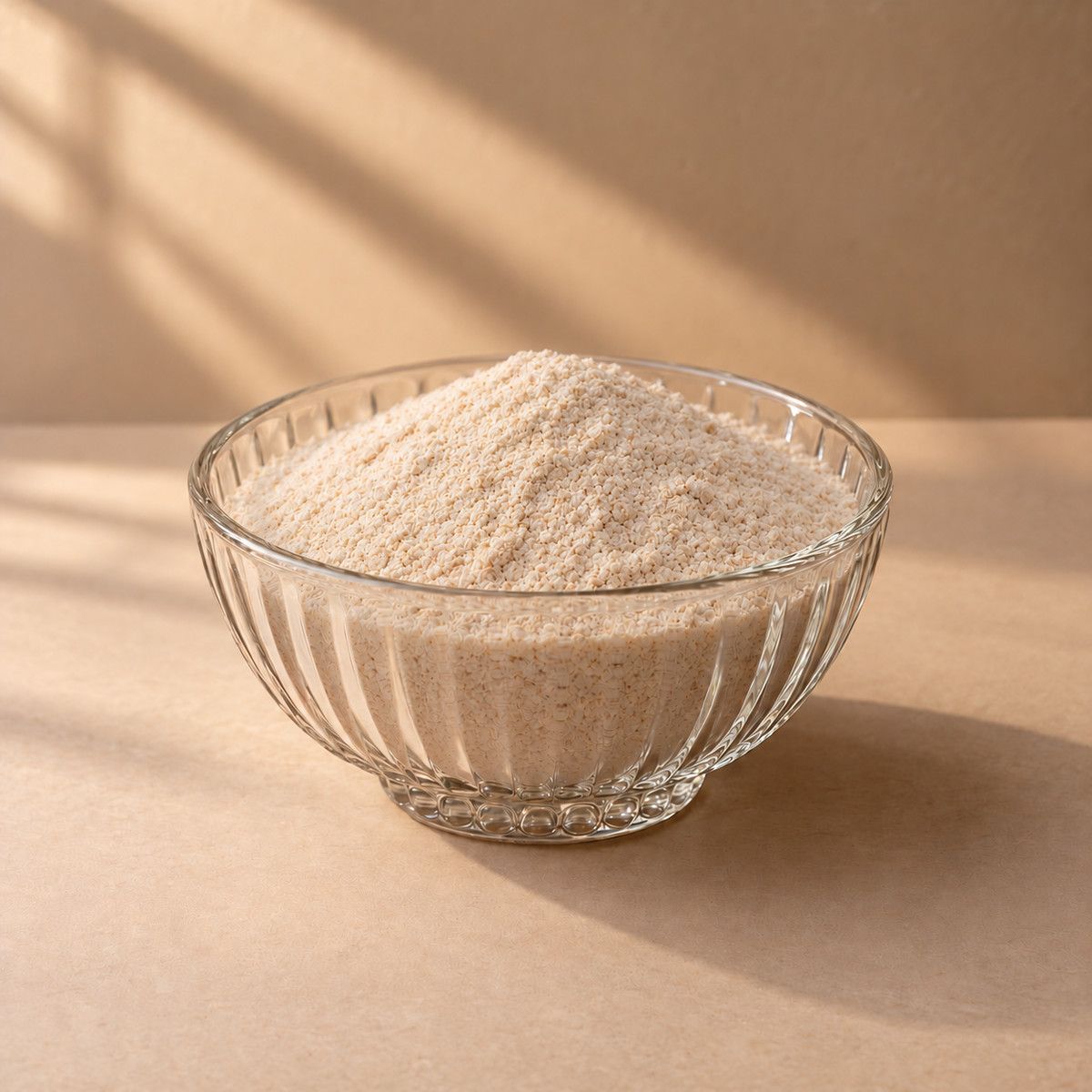
Rava absorbs moisture from the air, and Hyderabad monsoons are hard on an open bag. Once you open the pack, move it to an airtight container and keep it in a cool, dry place away from sunlight. That keeps it loose and free of lumps.
Ordering in Hyderabad
Earthenic is based in Hyderabad and delivers across the city, usually the next day. You can find Idli Sooji and Urad Gota in the pantry, and order on WhatsApp or from the shop. If you want the wheat one for upma, that is Upma Rava / Sooji.
Common questions
Is idli rava the same as sooji?
No. Idli rava is coarsely ground rice, usually parboiled rice. Sooji, also sold as upma rava or Bombay rava, is made from wheat. They look alike, but they cook differently, and idli rava is the one to use for a traditional fermented idli.
What is the ratio of idli rava to urad dal?
A common starting point is 2 parts idli rava to 1 part urad dal, measured by volume. If your idlis come out too firm, try a little more urad dal. If they are too soft to hold their shape, use a little less.
How long should idli batter ferment in Hyderabad?
In a warm Hyderabad kitchen, batter often doubles in 6 to 8 hours. In winter it can take 10 to 14 hours. Do not go by the clock alone. The batter should rise to about double and smell mildly sour.
Why are my idlis hard?
The usual reasons are too much rava compared to urad dal, a very thick batter, a batter that has not fermented enough, or steaming for too long. Check the batter first, since that is where most problems start.
Do I need to soak idli rava?
Yes. Rinse it two or three times and soak it for two to three hours, then squeeze out the extra water before mixing it into the urad batter. Unsoaked rava stays gritty.
Where can I buy idli rava in Hyderabad?
Earthenic delivers idli sooji and whole urad dal across Hyderabad, usually the next day. You can order on WhatsApp or from the shop page.